Micronizing and Drying Powders since 1955, Experts in Equipment Engineering and High Quality Contract Powder Processing.
Abrasives


A blue cross is shown in front of a green background.
Processing Abrasive Powders
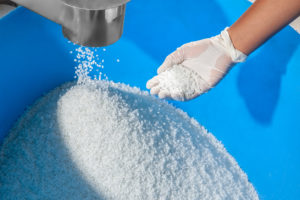
Fluid Energy milling and drying equipment is used in a multitude of industries. We often come across materials that have abrasive characteristics.
  • Industrial Daimons
  • Minerals
  • Carbon Black
  • Titanium Dioxide
  • Pigment
  • Oxides
  • Activated Carbon
  • Cocoa Shells
Since our equipment uses high velocity gas flow to grind or dry, we need to provide a layer of protection on areas subject to wear.
Milling Abrasive Powders
In jet mills, the main issue with abrasive powders is the wear and tear on the mills, and discoloration of the powder. Generally, the mill can typically grind the powder to a finer size in the same manner as non-abrasive powders. Fluid Energy has two mill styles that can successfully handle abrasives.

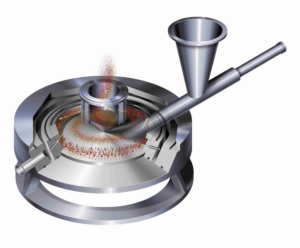
The Microjet (pancake type) mill, due to its simple geometry, is easy to line with a variety of materials such as ceramics or special alloys for abrasive products; or PTFE or UHMW polyethylene for sticky products.
The RotoJet (fluid bed type) mill, equipped with an abrasion resistant classifying wheel, can be used with abrasive products. Since a large amount of the powder is in the bed of the mill and the grinding zone is in the center of the chamber, internal wear is reduced or eliminated. There is minimal contact of the powder on the walls of this type of mill. In extreme cases a wear resistant lining can be installed in the mill chamber, but we typically find the internal design works well by itself.

Fluid Energy has abrasion resistant versions of all these jet mills in our test center and toll facility ready to process difficult materials.
Flasah Drying Abrasive Powders
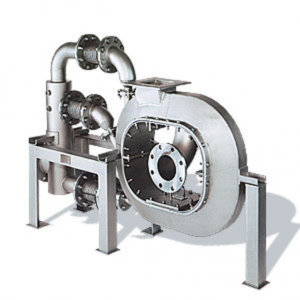
In flash drying, there are similar issues with wear and tear of the equipment. There are several options available to lengthen the life of a ThermaJet dryer processing abrasive material. First, the internal surfaces prone to wear can be hard-faced with tungsten carbide or other materials. An alternative is to install replaceable ceramic liners like silicon carbide in zones where wear could occur (i.e., elbows). Other materials such as permanent alumina tiles can also be incorporated. Selection of the most suitable abrasion-resistant material depends on the product and contamination concerns. We have the test equipment and the experience to help determine the best solution.
For further information on jet milling and flash drying equipment for abrasive materials, please contact a Fluid Energy sales engineer.
Use the following links for more technical information:
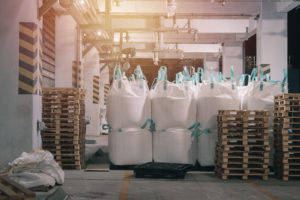
A blue cross is shown in front of a green background. A blue cross is shown in front of a green background. A warehouse filled with lots of bags of sand.
Feel free to contact us for tolling, equipment and/or testing needs.
You can contact us through our CONTACT PAGE or call us at: 215-721-8990